
https://www.channel4.com/programmes/jimmy-dohertys-new-zealand-escape
My husband and myself have just watched the last part of a 4 part series about New Zealand, with farmer, chef and TV personality, Jimmy Doherty. What was really interesting about this programme wasn’t just the scenery but the way in which Jimmy showed New Zealand as a rapidly changing country at the forefront of climate and ecological changes and the preservation of its unique species e.g. the small Kiwi, synonymous with the people, and the large beetle-like Weta.


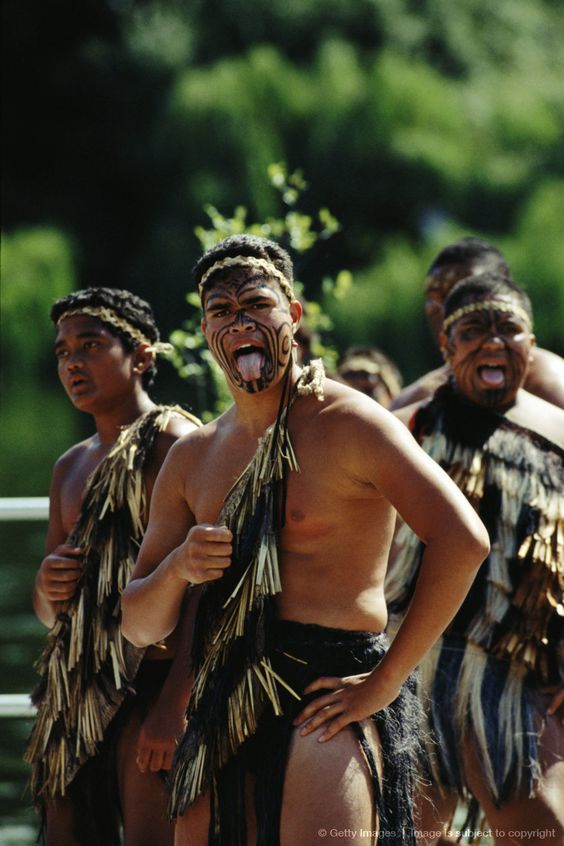
The programme helps to give the viewer an insight into the people, place and the Maori language, demonstrating a move to get the Maori language more spoken and to accept the origins of Maori culture, and I heartily commend it.
What a difference from the past. When the Treaty of Waitangi was signed in 1840, it wasn’t drafted as a constitution or a statute as such. It was a broad statement of principles upon which the British officials and Māori chiefs made a political compact or covenant to declare their allegiance to the Queen of Great Britain and the Commonwealth, which was then Queen Victoria. This covenant wasn’t even an agreement made with all of the Maori tribes but only some, with the language being gauged in such a way as to be misleading to those signing.
My book, Waireka, or Sweet Waters, is a story based on the early pioneering days of New Zealand shows the attitude of some of the English settlers to the Maoris with the desire to keep them contained and obedient. My account is based on the facts of the period –
“Governor Grant, it was reported, was intending to force the warring tribes to pledge their loyalty once more to the Queen of England and her subjects. Despite the infighting among the tribes, it seemed that the Governor’s message convinced the Haus-Haus and the Muapoko tribes to withdraw without a fight. Therefore, the residents of Frampton and its surrounding areas were able to return to their homes and land once more, grateful that a catastrophe had been diverted. Eliza was relieved that no real fighting had taken place and both Alister and Robert were safe.
Alister was full of admiration for Governor Grant on his return home. Those savages knew that they had met with an immovable force in Governor Grant. He was so authoritarian, so powerful that I believe he won them over.” (p 152-3)
A very different attitude from today’s viewpoint!
But as well as containing extracts from the history of the time, Waireka is mainly a fictional account of a young woman setting out from Scotland at just 17 years old (as many did) to make a 6 week crossing on a sailing ship to New Zealand, the other side of the world, and the adventures she encountered there and on the way.

Please visit my shop page on my website to get a copy of the book.


